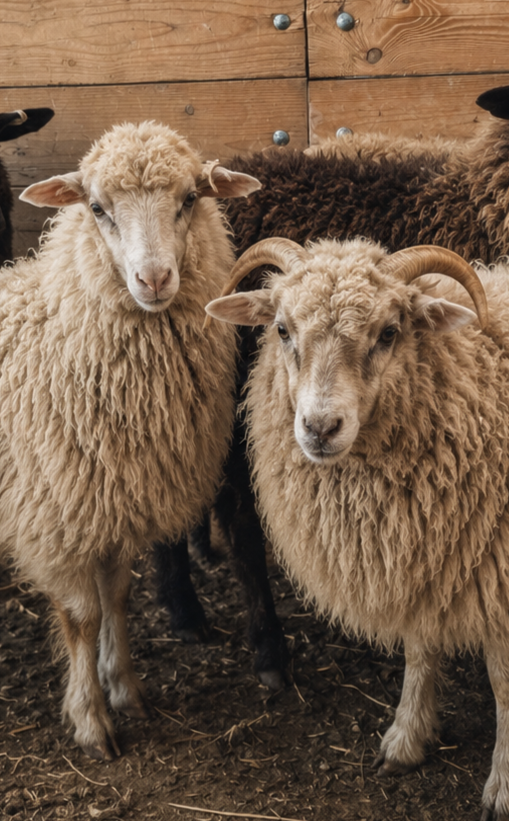
Navajo Churro Sheep
Navajo Churro sheep are considered one of the oldest and most historically important livestock breeds in North America. They are descended from Churra, an ancient Iberian breed, who were the first domesticated sheep in the New World.
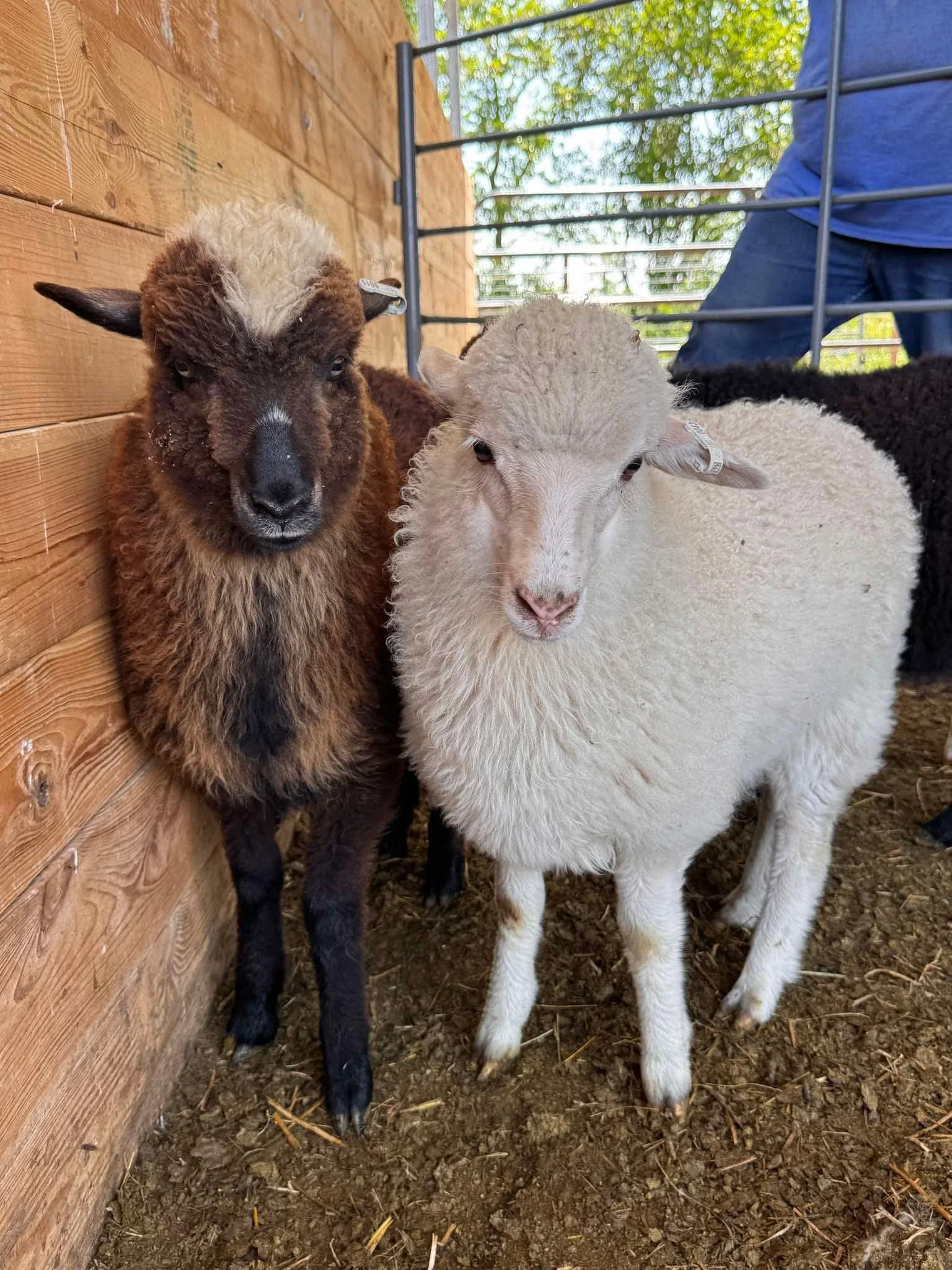
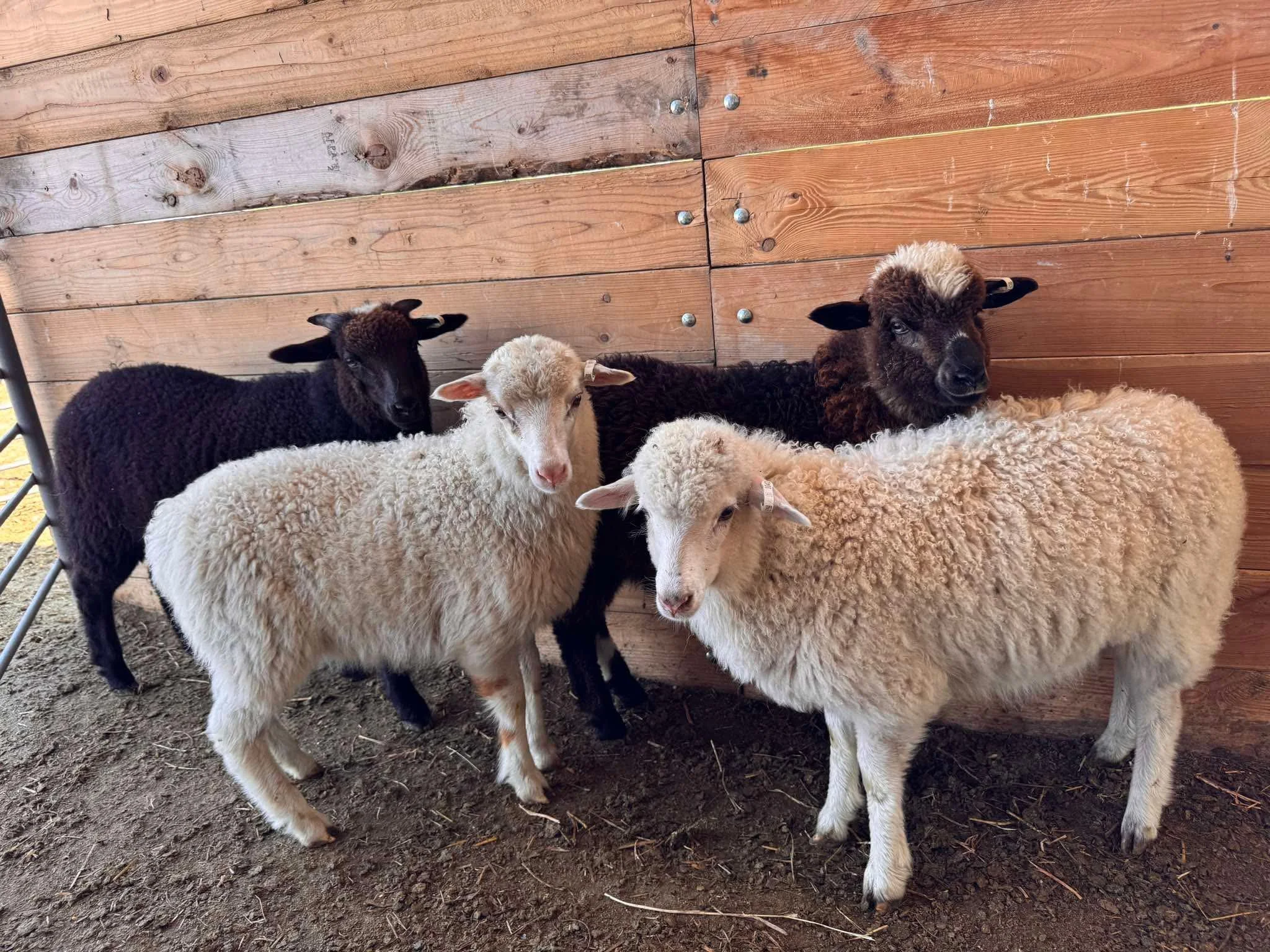
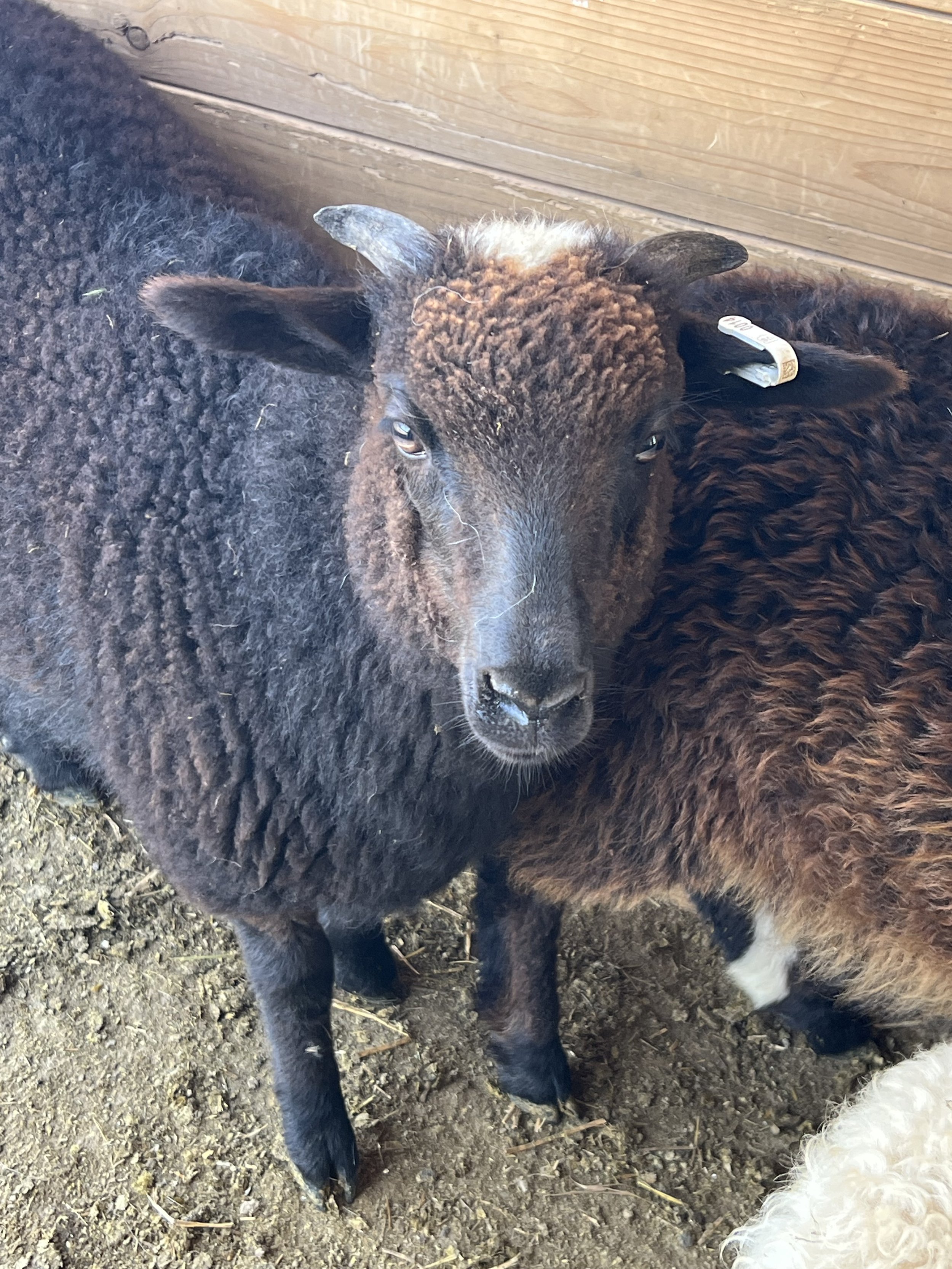
Biggers Farms is proud to announce the arrival of Navajo Churro Sheep in late Summer of 2026. Check back for more info and offerings. Here’s a sneak peek at our little herd arriving soon:
Coming Soon!
About Navajo Churro Sheep
The First Sheep of the Americas
In 1540, Spanish conquistador Francisco Vásquez de Coronado led an expedition into what is now the American Southwest, bringing sheep northward through Mexico into present-day New Mexico and Arizona. These sheep became the foundation stock for what would eventually become the Navajo Churro breed.
The Spanish introduced sheep primarily to support colonial settlements and missions. But over time, many Indigenous peoples adopted sheep husbandry and transformed it into something far more sophisticated and culturally integrated.
No group embraced the sheep more deeply than the Diné, the Navajo people.
A Sacred Relationship
In Navajo tradition, sheep are deeply connected to the sacred stories of emergence and survival. Oral histories tell of the Holy People gifting sheep to the Diné. In many narratives, Changing Woman, one of the most important spiritual figures in Navajo cosmology, gave sheep to the Navajo people alongside teachings about balance, harmony, and sustenance.
To care for sheep was relational and spiritual work. The flock represented prosperity, stability, kinship, feminine power, creativity and relationship to land.
Sheep husbandry became especially associated with Navajo women, who transformed wool into one of the world’s most celebrated textiles
Near Extinction
Despite their resilience, Navajo Churro sheep came dangerously close to extinction multiple times. In the 1860s, during the forced removal of the Navajo people known as the Long Walk, the U.S. military destroyed massive numbers of Navajo livestock. Sheep herds were slaughtered or confiscated to undermine Navajo independence and force submission.
Under the Government Livestock Reduction Programs of the 1930s, huge numbers of Navajo sheep were forcibly culled. Many Navajo families viewed the policies as traumatic and culturally destructive. By the 1970s, pure Navajo Churro sheep were critically endangered. Some estimates suggest fewer than 500 remained.
A Heritage Breed
Unlike many modern commercial breeds bred for maximum production in controlled environments, heritage breeds often perform better in low-input and regenerative systems. Navajo Churro sheep are considered a heritage breed because they:
Maintain ancient genetic traits
Represent an important cultural history
Are adapted to harsh environments and disease resistant
Contribute to biodiversity preservation – they are powerful tools for ecological restoration
Protecting heritage breeds protects agricultural resilience.